Author: Gershon Ben Keren
I am all too aware that social media creates echo chambers where we can come to believe that everybody else, or the majority, thinks like we do and then when “reality” hits, we get surprised and confused. I’ve seen this recently (in the UK) with the Russel Brand rape case, the accusations of sexual misconduct concerning David Walliam, and (in the US), with the Cornell Chi Pi fraternity alleged rape incident; I use the term “alleged” not to question the individual who was potentially victimized, but because I do believe in the importance of the premise of innocent until proven guilty. However, there are some on social media, who want to dismiss/discount the sexual assault aspect of these cases and focus on a “conspiracy” against the individuals involved e.g., that Brand was targeted because he was an anti-establishment figure, who encouraged people to not vote as a form of “protest” etc., rather than simply acknowledge that he is a sexual predator who got caught, and perhaps that the entertainment industry in both the UK and US creates and environment which allows such individuals to go unchecked (like Jimmy Saville, Rolf Harris and Harvey Weinstein) for extended periods of time, before institutions like the BBC etc., find that they have no choice but to acknowledge crimes which have been committed. I get it that institutions making money from certain individuals will be reluctant to scrutinize them based off of “unsubstantiated” and “alleged” rumors i.e., it’s easier to turn a blind eye when there isn’t the proverbial “smoking gun”, but as a society we should be doing better.
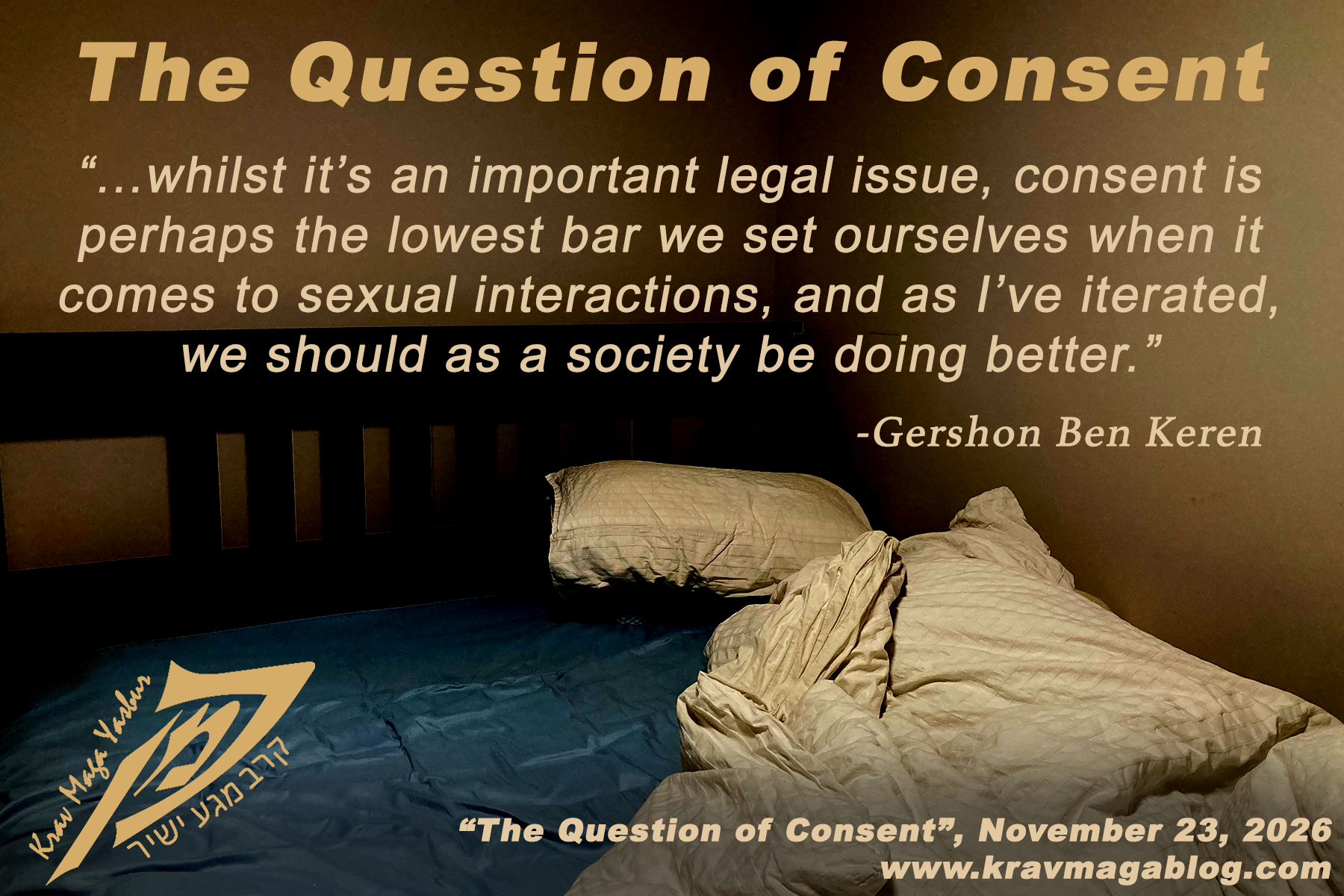
One of the reasons I spend some portion of my week on online publishing platforms, like Substack and Medium, is to try and find alternative opinions and ideas about issues and the like, to the ones I’m generally exposed to, so I don’t find myself existing in my own echo chamber. One of the reasons I started to be more active in doing this was because of Brexit i.e., I never in a million years believed that large parts of the country were in favor of leaving the EU, demonstrating that I was out of touch. One article I came across the other week was a piece written by a mother about a conversation she’d had with her teenage son, concerning the Cornell Chi Pi fraternity rape. Part of the conversation saw her son ask a legitimate question, “but what if she consented?”, and it’s the issue of consent and our focus on it when it comes to sexual assault that I want to explore in this article, because whilst it’s an important legal issue, consent is perhaps the lowest bar we set ourselves when it comes to sexual interactions, and as I’ve iterated, we should as a society be doing better.
This might sound strange, coming from a man, but I’ve had consensual sex, when I didn’t really want to have sex; I think many men simply don’t admit this due to ideas around masculinity etc., and before anyone thinks I’m trying to make a case that men are actually the victims of society etc., I’m not. The point I am making is that “consent” is the lowest bar to jump when it comes to sex i.e., it is simply a legal line in the sand and it would be wrong to ascribe any other meaning to it e.g., consent doesn’t equate with or measure a person’s willingness, and when we limit the conversation around sex to someone saying “yes” or “no” we are missing an opportunity to actually discuss what healthy sexual relationships look like. I see this in the “as long as she consents” argument that many rape deniers turn to after an incident like the one at Cornell i.e., they hurriedly try to collect some (usually flimsy) piece of evidence, to prove consent, making out that once this is presented no further discussion or debate needs to occur e.g., this text she sent proves that it was all consensual etc. So, end of discussion. This binary approach to determining whether a sexual assault has occurred or not, is necessary in a courtroom, when a verdict of guilty or not guilty is required, but it should at the same time be remembered that “not guilty” doesn’t mean innocent, it simply means that the prosecution were unable to make a case that was beyond reasonable doubt. Just because someone “gets off” it doesn’t mean they were/are innocent; I’m old enough to remember the OJ Simpson trial.
Many rapes and sexual assaults don’t ever result in a criminal trial, especially when those victimized have some prior relationship, albeit tacit, with their assailants, and successful prosecutions when they do go to court are rare. This sometimes leads people to believe that those who come forward to make an accusation of rape and find that a prosecutor is unable to make a case, and/or who go to court where their assailant(s) is found not guilty are making things up etc. Whilst such narratives are largely gender-based with men promoting themselves as the victims of false allegations, there are many women who will also support an assailant believing that the woman, who they might know, are doing so by a need/desire to be the centre of attention. This tends to occur when the person being accused is a mutual friend. And once again when the conversation gets distilled down to simply one of consent, as if consent, even if present, is the same as wanting something., and ends there, the idea of what a “healthy” sexual relationship/encounter/involvement becomes lost.
The “men should just stop raping women” argument, illustrates a problem, but doesn’t present a solution, even though it purports/pretends to do so. It is simple and obvious to present rape as a male rather than societal problem, and one that is simply about consent, however laws are a foundation of who/what society is rather than an expression of who we want to be etc., and a bigger discussion needs to occur, than simply reducing rape and sexual assaults to a “legal” matter of consent. We’ve all consented to certain things in our life that we didn’t necessarily agree with and/or want. This doesn’t mean that we are a “victim” of a crime etc., but it can mean we regret a choice/decision that we made and recognize that the person doing so caused us harm.